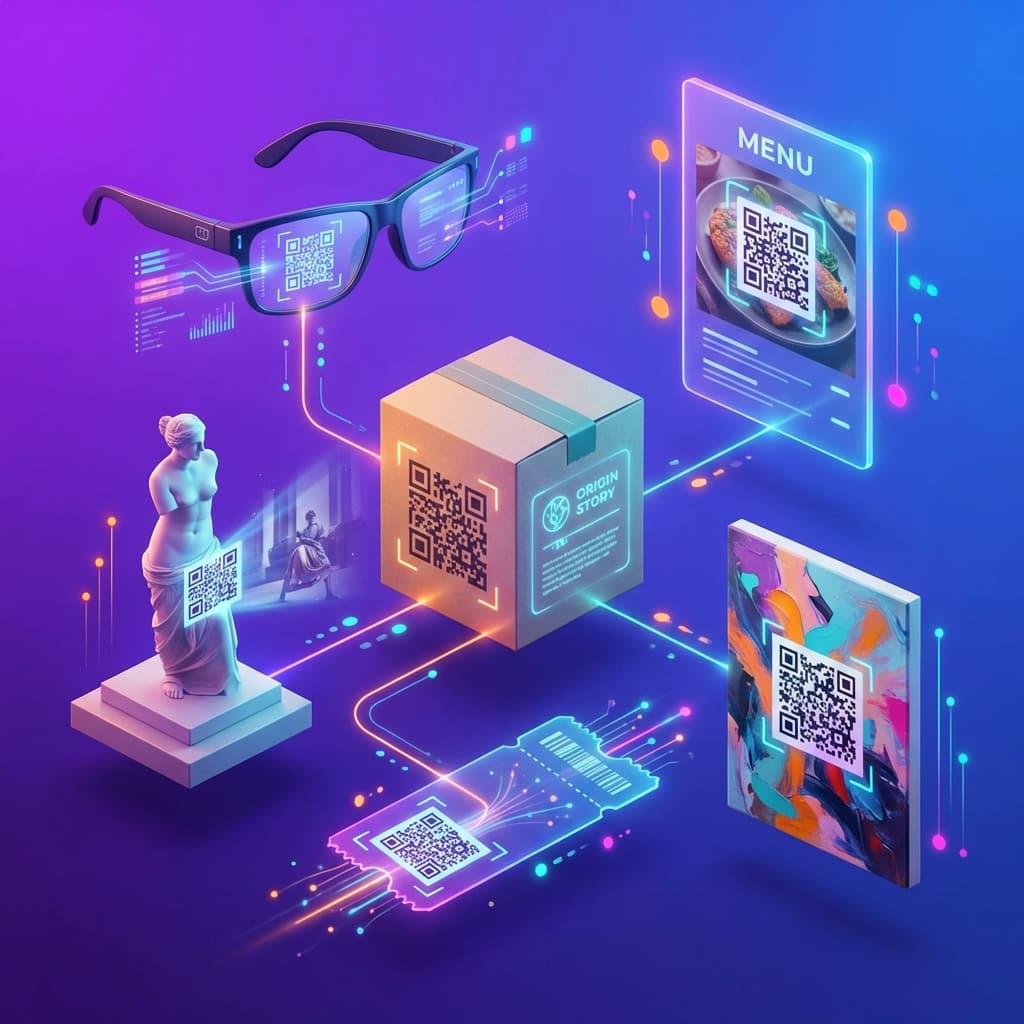
A comprehensive guide to leveraging scanning technology for competitive advantage in the modern business landscape.
Introduction: The Silent Revolution in Your Pocket
Every day, billions of people around the world pull out their smartphones to scan a small square of black-and-white patterns. Whether it's checking into a flight, paying for coffee, or accessing a restaurant menu, QR codes and barcodes have become so ubiquitous that we barely notice them anymore. Yet behind this seeming simplicity lies a technological revolution that's fundamentally transforming how businesses operate, how customers engage with brands, and how information flows through our increasingly digital world.
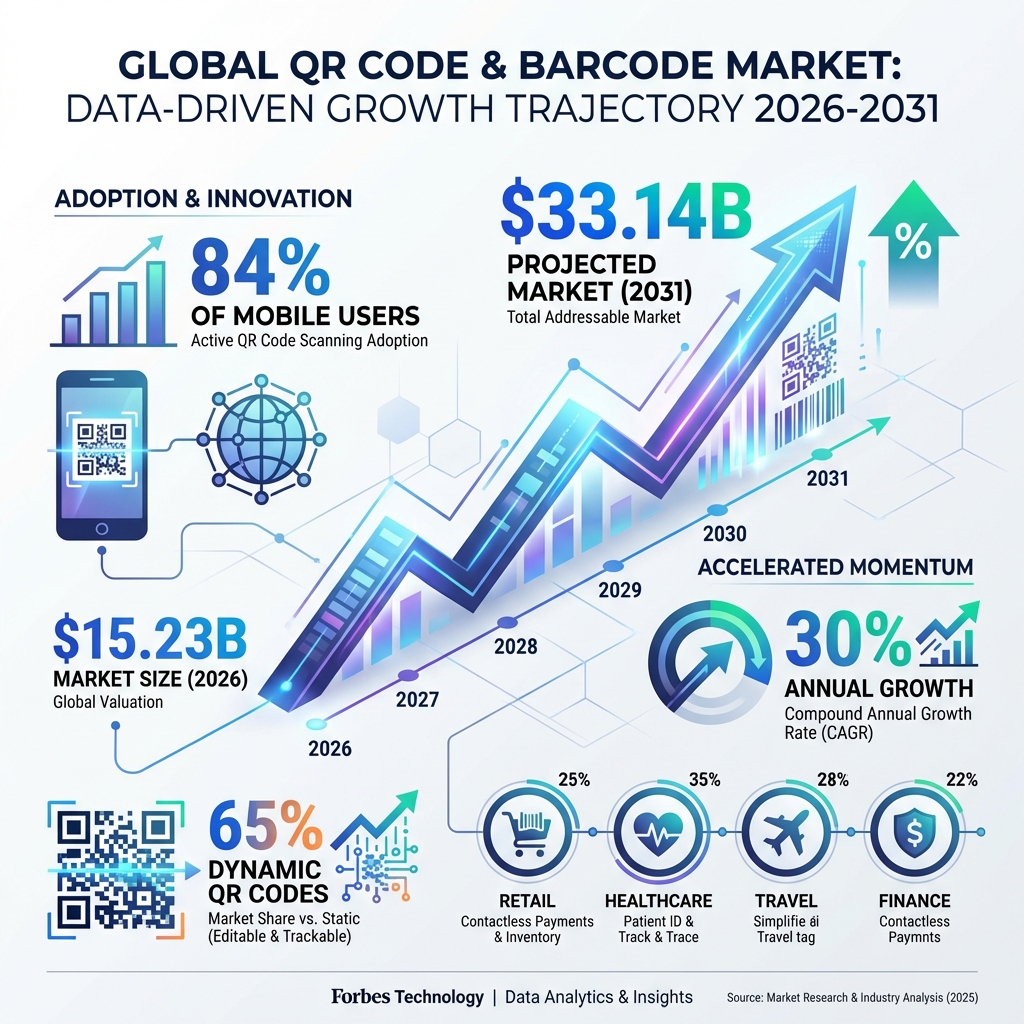
In 2026, we're witnessing a pivotal moment in this evolution. The global QR code market, valued at USD 15.23 billion this year, is projected to more than double to USD 33.14 billion by 2031, growing at a robust 16.82% CAGR. Meanwhile, traditional barcode technology isn't fading away—it's evolving, with the barcode scanner market expected to expand by USD 3.2 billion between 2025 and 2030. This isn't just growth; it's a fundamental shift in how businesses bridge the physical and digital worlds.
For business leaders, marketers, operations managers, and entrepreneurs, understanding this technology isn't optional anymore—it's essential. This article explores the convergence of QR codes and barcodes, their expanding role across industries, and the practical strategies you need to harness their full potential in an increasingly connected marketplace.
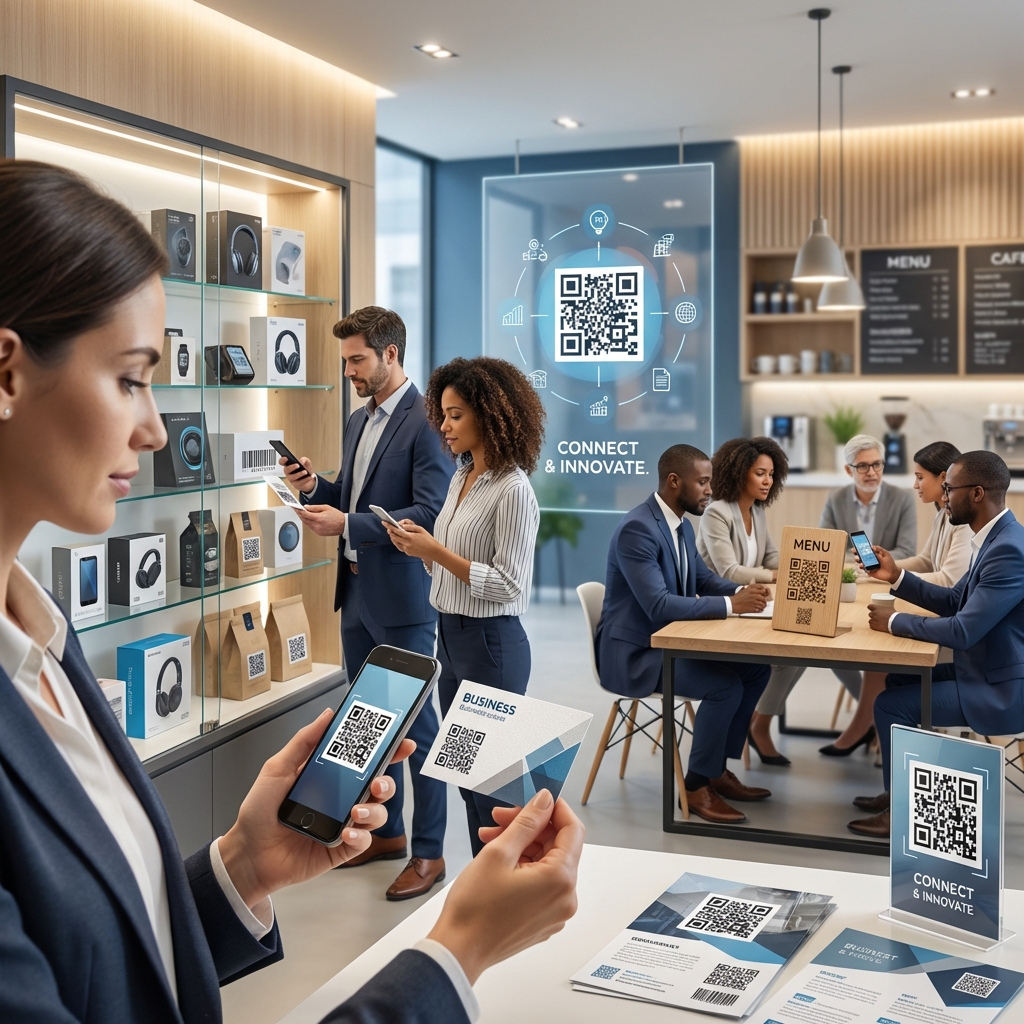
Understanding the Technology: More Than Meets the Eye
The Evolution of Scanning Technology
To appreciate where we are, it's worth understanding where we've been. Traditional barcodes—those familiar parallel lines you see on every product—revolutionized retail when they first appeared in the 1970s. These one-dimensional (1D) barcodes could store limited information, typically just a product identifier that linked to a database record. They were revolutionary for their time, enabling automated checkout and inventory management that transformed retail operations.
QR codes, invented in 1994 by Denso Wave in Japan, represented a quantum leap forward. As two-dimensional (2D) barcodes, they could store exponentially more data—up to 4,296 alphanumeric characters compared to the 20-25 characters of traditional barcodes. More importantly, they could encode different types of information: URLs, contact details, payment information, geographic coordinates, and much more. They also feature built-in error correction, meaning they remain functional even when partially damaged or obscured—a crucial advantage in real-world applications.
Why Both Technologies Matter Today
In 2026, we're not witnessing a replacement of barcodes with QR codes—we're seeing an intelligent convergence. Each technology excels in different contexts, and sophisticated businesses leverage both strategically.
Traditional barcodes remain the backbone of point-of-sale systems, inventory management, and logistics operations. They're cost-effective to print, universally compatible with existing infrastructure, and perfectly suited for scenarios where you need to encode simple product identifiers. The barcode scanner market's continued growth—expected to reach new heights with retail checkout automation and logistics optimization—demonstrates their enduring relevance.
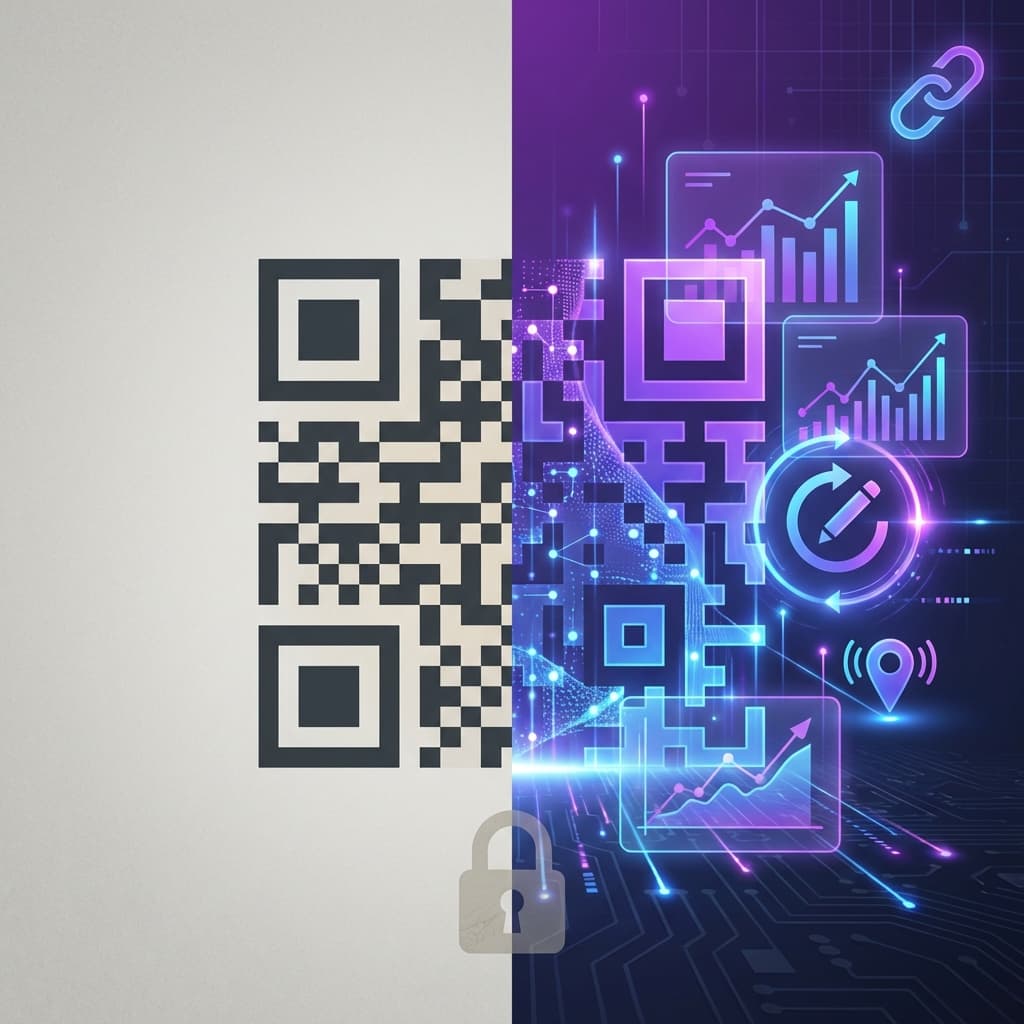
QR codes, conversely, excel at bridging physical and digital experiences. They transform static products into interactive touchpoints, enable contactless transactions, and provide the gateway to rich, dynamic content that can be updated without reprinting. In 2026, dynamic QR codes account for 65% of global implementations, functioning as analytics gateways that guide omnichannel customer experiences.
The real power emerges when businesses deploy both technologies in complementary ways: barcodes for internal operations and supply chain management, QR codes for customer-facing applications and marketing initiatives.
The Numbers Don't Lie: Market Growth and Adoption Statistics
A Market in Explosive Growth
The statistics surrounding QR code and barcode adoption in 2026 paint a picture of technology that has moved from novelty to necessity. Consider these compelling figures:
- Nearly half of all global internet users (44.6%) scan at least one QR code every month, demonstrating mainstream consumer adoption across demographics and geographies.
- 84% of mobile users worldwide have scanned a QR code at least once, showing near-universal awareness and willingness to engage with the technology.
- Mobile QR code usage is growing by 30% annually, with billions of scans predicted worldwide as industries like retail, healthcare, and marketing lead this expansion.
- Over 102.6 million consumers in the United States alone used smartphone QR scanners in 2026, up from 94 million in 2023, representing massive market penetration in one of the world's largest economies.
Industry-Specific Adoption Rates
The adoption isn't uniform across sectors—certain industries have embraced this technology more aggressively:
In e-commerce, 65% of businesses actively use QR codes in their daily operations, primarily to enhance the shopping experience by providing instant access to product details, exclusive deals, and streamlined checkout processes.
In payments and transactions, QR codes dominated with 45.30% of the market share in 2025, driven by the explosive growth of contactless payment systems, digital wallets, and peer-to-peer payment platforms.
For marketing and advertising, the sector is positioned to expand at 19.1% CAGR through 2031, as marketers discover QR codes' unique ability to measure campaign performance, bridge offline and online channels, and create interactive brand experiences.
The travel industry leads in QR code implementation, having rapidly adopted contactless check-ins, digital boarding passes, and touchless hotel experiences—innovations accelerated by health considerations but maintained for their convenience and efficiency benefits.
The Enterprise Technology Shift
Perhaps most significantly, we're witnessing enterprise-scale deployments replace experimental trials. Dynamic QR code solutions have overtaken static formats, accounting for 65% of global implementations in 2026. These aren't just scannable images—they're sophisticated tracking and analytics tools that provide real-time insights into customer behavior, campaign performance, and operational efficiency.
Companies are also moving toward centralized governance, creating shared workspaces where QR codes are generated under common rules with permissions, templates, and domain management to maintain brand consistency and security standards.
The Competitive Advantage: Key Benefits and Strategic Value
For Customer Experience and Engagement
QR codes and barcodes deliver tangible benefits that directly impact the bottom line. Let's examine the key advantages businesses are leveraging in 2026:
Frictionless Customer Interactions
In an era where convenience is currency, QR codes eliminate barriers between customer intent and action. A diner can view a menu, a shopper can access product reviews, a museum visitor can hear an audio guide—all with a simple scan. This seamless bridge between physical and digital worlds meets modern consumer expectations for instant access to information.
Contactless Experiences
While initially driven by pandemic concerns, contactless interactions have become a permanent feature of customer preference. QR codes enable touchless payments, digital menus, virtual queues, and self-service checkouts that customers now expect as standard offerings.
Personalization at Scale
Dynamic QR codes can be programmed to deliver different content based on scan location, time of day, or user demographics. A product package might direct morning scanners to breakfast recipes and afternoon scanners to dinner ideas. This contextual personalization was previously impossible with static print materials.
Measurable Marketing
Unlike traditional print advertising, QR codes provide precise metrics. Businesses can track scan rates, geographic distribution, conversion rates, and user engagement patterns—transforming billboards, packaging, and print materials into measurable marketing channels.
For Operational Efficiency
Inventory Management
Barcodes have long been the standard for inventory tracking, but modern systems go far beyond simple stock counts. Real-time scanning updates across cloud-based platforms enable just-in-time inventory management, automated reordering, and precise supply chain visibility.
Error Reduction
Manual data entry errors cost businesses billions annually. Barcode and QR code scanning virtually eliminates transcription errors in order processing, shipping, receiving, and quality control operations. QR codes' built-in error correction means they function even with up to 30% damage, ensuring reliability in challenging environments.
Supply Chain Transparency
The transition to 2D barcodes, driven by the GS1 Sunrise 2027 initiative, enables supply chains to embed far richer data directly in product codes: batch details, origin information, allergen disclosures, certification data, sustainability attributes, and authentication records. This transparency meets growing regulatory requirements and consumer demand for product provenance.
Labor Cost Optimization
Automated barcode scanning eliminates manual counting and data entry, allowing staff to focus on higher-value activities. In warehouses and distribution centers, RFID technology complements barcodes by enabling rapid bulk scanning and hands-free data capture, dramatically increasing throughput.
For Data and Analytics
Modern QR code platforms function as comprehensive analytics engines. Businesses gain insights into:
- Customer engagement patterns and peak interaction times
- Geographic distribution of audience engagement
- Device and operating system usage
- Conversion funnel performance from scan to purchase
- A/B testing results for different offers or content
This data transforms static marketing materials into dynamic research tools, enabling continuous optimization based on actual customer behavior rather than assumptions.
Real-World Applications: Industry-Specific Use Cases
Retail and E-Commerce
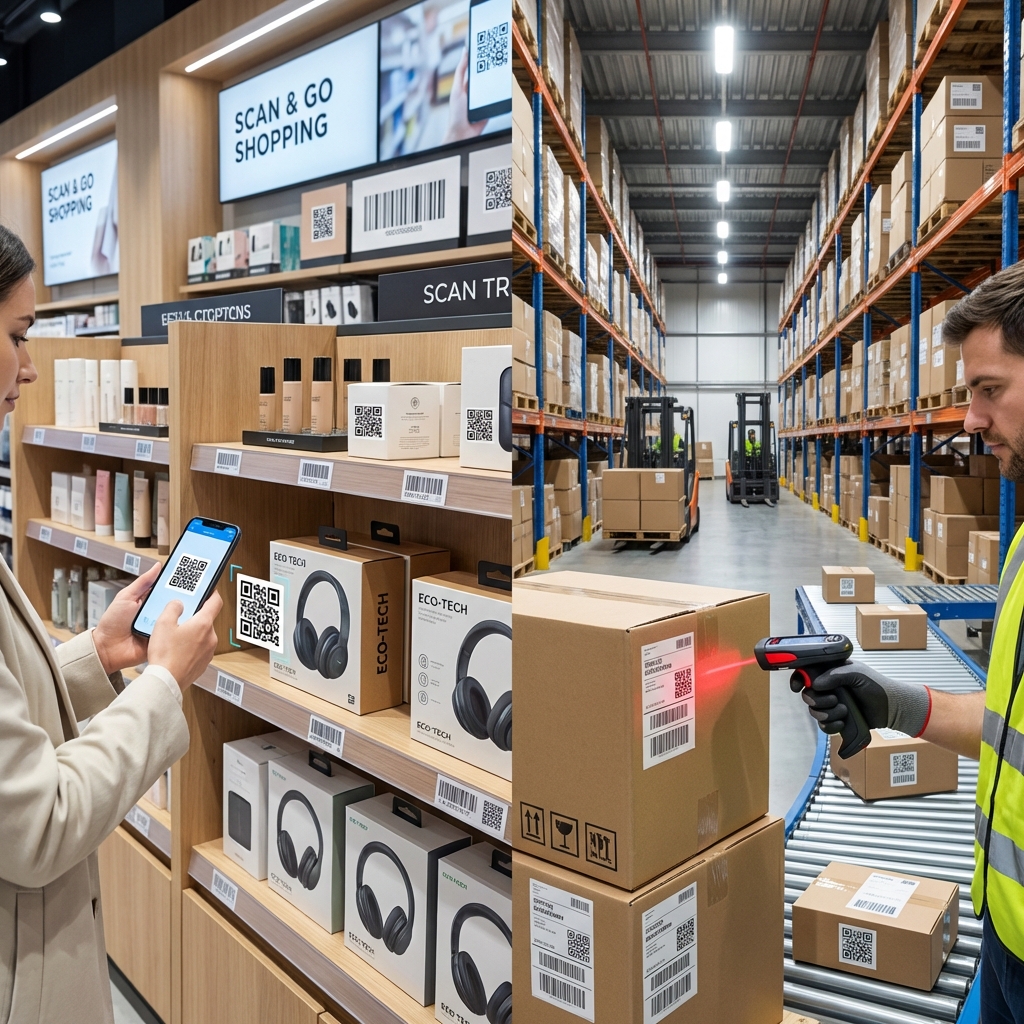
The retail sector has emerged as perhaps the most innovative user of QR code and barcode technology. In 2026, leading retailers deploy these tools across every customer touchpoint:
Smart Product Packaging
Products now feature QR codes that link to detailed ingredient information, usage instructions, sustainability certifications, customer reviews, and complementary product suggestions. This transforms packaging from static information delivery to an interactive customer service channel.
Omnichannel Shopping Experiences
Customers scanning in-store codes can check online inventory, read reviews, compare prices, save items to wishlists, or complete purchases on their preferred device. Conversely, online shoppers can use QR codes for buy-online-pickup-in-store (BOPIS) services, seamless returns, and loyalty program integration.
Virtual Try-On and AR Experiences
QR codes serve as gateways to augmented reality experiences where customers can visualize furniture in their homes, try on makeup virtually, or see how paint colors would look on their walls—bridging the gap between online convenience and in-store tangibility.
Loyalty and Rewards Programs
Digital loyalty cards accessed via QR codes eliminate physical cards, enable instant reward redemption, and provide businesses with valuable purchase history and preference data for personalized marketing.
Healthcare and Pharmaceuticals
Healthcare applications of QR codes and barcodes literally save lives through improved accuracy and traceability:
Medication Management
Barcodes on medications enable bedside scanning that verifies the right medication, right dose, right patient, and right time—drastically reducing medication errors in hospitals. QR codes on prescription packaging provide patients with detailed drug information, interaction warnings, and dosing reminders.
Patient Identification
QR-coded patient wristbands link to complete medical records, ensuring accurate identification and providing emergency responders instant access to critical health information, allergies, and current medications.
Supply Chain Integrity
Pharmaceutical supply chains use 2D barcodes to track products from manufacture through distribution to patient, ensuring authenticity and enabling rapid recalls if quality issues are detected. This serialization combats counterfeit medications—a $200 billion global problem.
Telemedicine Access
QR codes on clinic materials provide instant access to virtual consultation platforms, prescription refill services, and patient portals, making healthcare more accessible and reducing administrative burden.
Logistics and Supply Chain
The logistics industry relies on barcode technology for the precise coordination required in modern supply chains:
Warehouse Management
Every item, pallet, and shipping container carries barcodes or RFID tags that are scanned at every movement, creating a digital thread from receiving through storage to shipping. This real-time visibility optimizes space utilization, reduces search time, and prevents misshipments.
Last-Mile Delivery
QR codes enable contactless delivery confirmation, provide customers with real-time tracking links, facilitate easy returns, and allow drivers to access delivery instructions or building access codes without phone calls.
Asset Tracking
Companies use QR codes to manage equipment, tools, and vehicle fleets. Scanning creates maintenance records, tracks usage patterns, and ensures accountability—reducing loss and optimizing utilization.
Cross-Border Commerce
2D barcodes encode customs information, certificates of origin, and compliance documentation that streamlines international shipping and reduces border delays.
Marketing and Advertising
Marketers have discovered QR codes transform one-way broadcast media into interactive engagement channels:
Print Media Resurrection
QR codes breathe new life into print advertising by connecting readers to video content, special offers, event registrations, or product pages. A magazine ad becomes a gateway to an immersive brand experience.
Out-of-Home Advertising
Billboards, transit ads, and posters with QR codes enable immediate action—downloading an app, watching a trailer, or claiming a limited-time offer. Dynamic codes can update destinations based on time of day or current campaigns without reprinting.
Event Marketing
Conferences and trade shows use QR codes for contactless registration, session check-ins, lead capture, networking facilitation, and content sharing. Post-event, the same codes provide access to recordings and presentation materials.
Influencer Campaigns
Influencers share unique QR codes that followers can scan for exclusive discounts or content, while brands track which influencers drive the most engagement and conversions.
Food Service and Hospitality
The food service industry's embrace of QR codes has fundamentally changed dining experiences:
Digital Menus
QR code menus became ubiquitous during the pandemic and have remained because they offer real-time price updates, detailed allergen information, dynamic recommendations, and easy menu modifications without reprinting costs.
Mobile Ordering and Payment
Customers scan table codes to view menus, place orders, and pay—reducing wait times, increasing table turnover, and allowing staff to focus on food quality and customer service rather than order taking.
Loyalty and Feedback
Post-meal QR codes encourage review submissions, loyalty program signups, and social media engagement while the experience is still fresh, dramatically improving response rates versus delayed email requests.
Implementation Best Practices: Doing It Right
Strategic Planning
Successful QR code and barcode implementation begins with clear objectives:
Define Specific Goals
Are you trying to reduce checkout times, increase marketing engagement, improve inventory accuracy, or enhance customer service? Different objectives require different implementation approaches and success metrics.
Map the Customer Journey
Identify friction points where QR codes could smooth interactions—points of information need, transaction completion, or engagement opportunity. The best placements feel natural rather than forced.
Choose the Right Type
Static QR codes work for permanent information that won't change (like a company's general contact page). Dynamic codes, which allow destination changes without reprinting, suit marketing campaigns, seasonal menus, or any application where flexibility matters.
Design and User Experience
Clear Call-to-Action
A QR code without context is meaningless. Always include clear text explaining what scanning will accomplish: "Scan for Product Details," "Scan to Pay," "Scan for Special Offer." This simple practice can double scan rates.
Optimal Sizing and Placement
QR codes need sufficient size for easy scanning—generally a minimum of 2x2 cm (0.8x0.8 inches), with larger sizes for codes scanned from distance. Ensure adequate white space around the code and place them at convenient scanning height and angle.
Mobile-Optimized Destinations
Nothing frustrates users more than scanning a QR code and landing on a desktop website that doesn't work on mobile. Every destination must be fully mobile-responsive with fast loading times.
Error Correction Levels
Use high error correction (level H—30% recovery capability) for codes that might get dirty, damaged, or partially obscured. Use lower levels when data capacity is critical and the code will remain pristine.
Security and Privacy Considerations
Secure Your Codes
The rise of "quishing" (QR phishing) attacks—up 587% in 2024 and now accounting for 20% of online scams—makes security critical. Use encrypted QR codes, authenticated domains, and security-verified QR platforms. Educate users to verify the destination before scanning unknown codes.
Privacy Compliance
If your QR codes collect user data, ensure GDPR, CCPA, or other relevant privacy regulation compliance. Provide clear privacy notices and obtain necessary consents before data collection.
Access Controls
For internal QR codes used in operations, implement proper access controls so only authorized personnel can scan sensitive codes containing proprietary information or access controls.
Analytics and Optimization
Track the Right Metrics
Don't just count scans—measure what matters. Track scan-to-conversion rates, geographic distribution, time-based patterns, and user flow after scanning. These insights inform optimization.
A/B Testing
Test different offers, designs, placements, and calls-to-action. Dynamic QR codes make this easy—split traffic between variations and measure performance to continuously improve results.
Integration with Existing Systems
Connect QR code data with your CRM, marketing automation, point-of-sale, or inventory management systems. Isolated data provides limited value; integrated data drives actionable insights.

The Future is Now: Emerging Trends and Innovations
The GS1 Sunrise 2027 Initiative
One of the most significant developments reshaping the industry is the GS1 Sunrise 2027 initiative, which mandates that by the beginning of 2027, every point-of-sale system must be able to scan 2D barcodes such as QR codes in the GS1 Digital Link format. This isn't merely a technical upgrade—it's a fundamental transformation in what product codes can accomplish.
Traditional 1D barcodes encode a product identifier that links to a database record. The new 2D standards embed far richer data directly in the code: batch numbers, expiration dates, serial numbers, and even links to digital content like instructions, recipes, or sustainability information. This transformation enables:
- Unprecedented supply chain transparency and traceability
- Rapid, targeted product recalls with batch-level precision
- Consumer access to detailed product information via smartphone scans
- Enhanced anti-counterfeiting protection through serialization
- Regulatory compliance for food safety and pharmaceutical track-and-trace requirements
Artificial Intelligence and Machine Learning Integration
AI is transforming how we generate, deploy, and analyze QR codes and barcodes:
Intelligent Generation
AI-powered platforms optimize QR code design for maximum scannability while maintaining brand aesthetics, automatically adjust error correction based on expected use conditions, and generate unique codes at scale with built-in analytics tagging.
Predictive Analytics
Machine learning models identify patterns in scan data to predict optimal placement locations, recommend personalized content for different user segments, and forecast campaign performance before full deployment.
Visual Recognition
Advanced systems can identify damaged or poorly printed codes and still extract accurate data, recognize barcode types automatically without manual selection, and even scan multiple codes simultaneously in high-speed logistics applications.
Augmented Reality Integration
The convergence of QR codes with augmented reality creates immersive brand experiences:
Scanning a product code might launch an AR experience showing how furniture looks in your room, how to assemble a product with animated 3D instructions, or an interactive game tied to a marketing campaign. These experiences increase engagement time and create memorable brand interactions that drive preference and loyalty.
Blockchain and Authentication
Luxury brands and high-value products increasingly use QR codes as gateways to blockchain-verified authenticity certificates. Each product receives a unique QR code linking to an immutable blockchain record proving its origin, ownership history, and authenticity—combating the $500 billion global counterfeit goods market.
Internet of Things (IoT) Integration
QR codes serve as the human-readable interface to IoT devices and systems:
- Smart appliances with QR codes that link to usage data, efficiency reports, and predictive maintenance schedules
- Industrial equipment broadcasting status and diagnostics via QR-accessible dashboards
- Smart packaging that monitors product condition and communicates through consumer-scannable codes
Cloud-Based Centralization
The shift toward cloud-based QR code and barcode management systems enables:
- Real-time updates to dynamic codes across all deployment locations
- Centralized governance and brand compliance management
- Multi-user collaboration with role-based permissions
- Seamless integration with enterprise systems and marketing platforms
- Comprehensive cross-campaign analytics and reporting
Conclusion: Bridging Today and Tomorrow
As we navigate 2026, QR codes and barcodes have evolved from convenience features to strategic business assets. They represent the bridge between our physical and digital worlds—the interface layer of our increasingly connected reality.
The statistics are compelling: a market growing from USD 15.23 billion to over USD 33 billion in just five years, adoption rates approaching 85% among mobile users, and 30% annual growth in usage. But beyond the numbers lies a more fundamental truth: businesses that effectively leverage these technologies create smoother customer experiences, operate more efficiently, make better data-driven decisions, and build stronger connections between their brand and their audience.
The convergence we're witnessing—traditional barcodes evolving into 2D data carriers, dynamic QR codes functioning as analytics gateways, AI optimizing generation and deployment, blockchain verifying authenticity, and AR creating immersive experiences—represents not just technological advancement but business model innovation.
For business leaders, the question isn't whether to implement QR codes and barcodes but how to implement them strategically. The organizations that will thrive are those that view these technologies not as isolated tools but as integrated components of a comprehensive digital strategy—connecting inventory systems with customer engagement, linking physical products with digital experiences, and bridging operational efficiency with marketing effectiveness.
The future is already here, encoded in billions of small black-and-white squares. The only question is: how will you scan it?
About This Article
This comprehensive analysis draws on the latest market research, industry reports, and adoption data from 2026. For businesses looking to implement QR code and barcode solutions, proper tools and platforms make all the difference in achieving your strategic objectives.