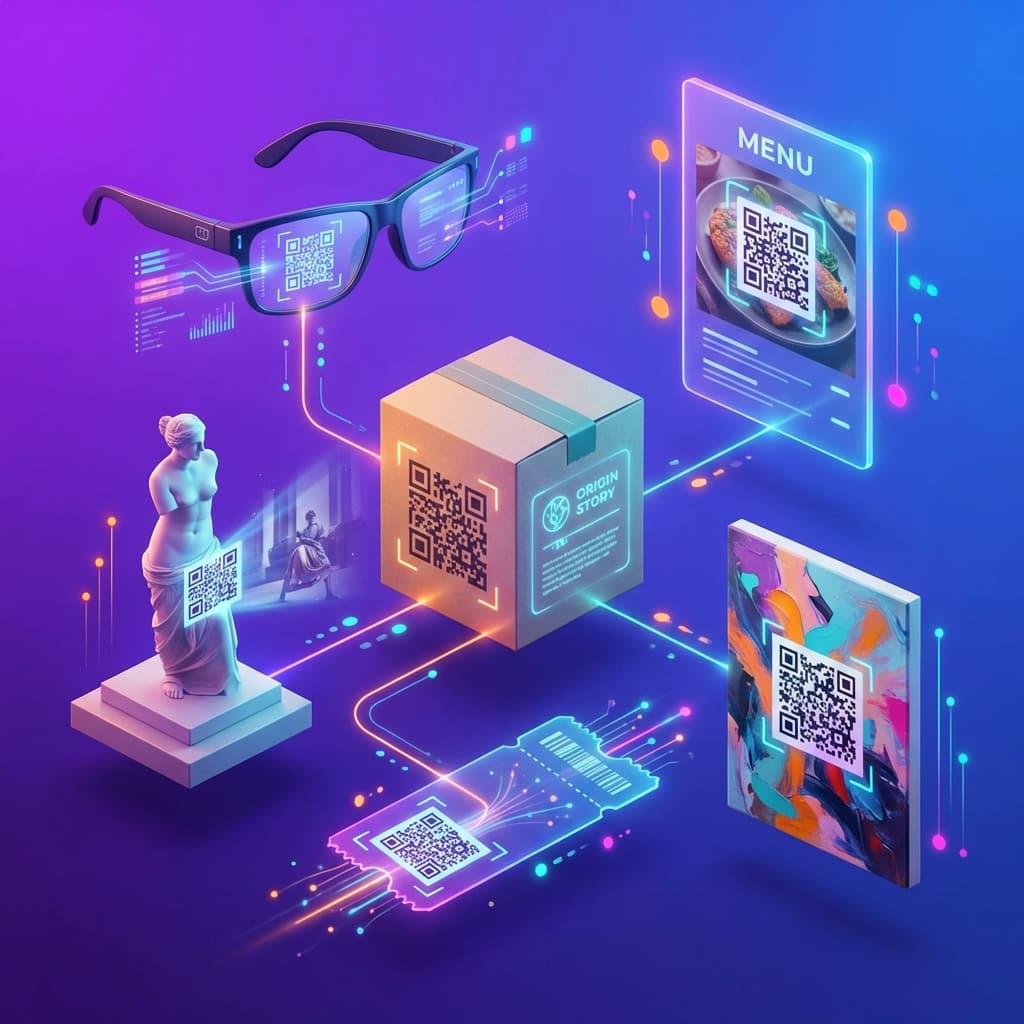
QR codes have become essential marketing tools, but their effectiveness depends entirely on how you implement them. Follow these 15 best practices to maximize your campaign impact.
1. Always Include a Clear Call-to-Action
Never just place a QR code and expect people to scan it. Tell them exactly what they'll get: "Scan for digital menu," "Scan for 25% off," or "Scan to view in AR."
2. Use Dynamic QR Codes for Campaigns
Dynamic codes let you change the destination without reprinting, track scan analytics, and create shorter URLs that scan faster. Create a dynamic QR code.
3. Mobile-Optimize Your Landing Page
99% of QR code scans happen on smartphones. Your destination page must load quickly, be responsive, and have tappable buttons. Test on multiple devices before launch.
4. Size Appropriately
Minimum QR code size is 2cm × 2cm for close-range scanning. For printed materials viewed from far away, use the formula: size = distance ÷ 10. A billboard viewed from 3m needs at least a 30cm QR code.
5. Maintain Sufficient Contrast
4:1 contrast between foreground and background is the minimum. Dark modules on light backgrounds always work better than the inverse. Avoid colored QR codes with insufficient contrast.
6. Don't Compromise the Quiet Zone
Keep at least 4 modules of white space around your QR code. This quiet zone helps scanners detect code edges reliably.
7. Test Before Printing
Always scan your QR code with multiple devices and apps before publishing. Test on both iOS and Android, in different lighting conditions.
8. Provide Context and Value
People won't scan without a reason. Make the benefit clear: exclusive access, discount, entertainment, or convenience. The value should be obvious.
9. Track and Analyze Performance
Use dynamic QR codes with analytics to understand what works. Monitor scan rates, locations, and times to optimize future campaigns.
10. Consider Placement and Accessibility
Position QR codes where they're easily scannable—eye-level, on flat surfaces, with room for users to stop. Avoid locations without cell signal.
11. Brand Your QR Codes
Add your logo in the center (with high error correction) and use brand colors while maintaining contrast. Branded QR codes have higher scan rates.
12. Use Short, Descriptive URLs
Shorter URLs create less dense QR codes that are easier to scan. Our system automatically shortens URLs for optimal scannability.
13. Plan for Different Materials
QR codes on glossy surfaces may have glare. Textured surfaces may distort printing. Test on your actual material before full production.
14. Update Dynamic Codes Regularly
If your campaign changes, update the destination. Outdated dynamic codes pointing to expired pages hurt user experience and your brand.
15. Integrate with Your Overall Strategy
QR codes should complement other marketing channels, not replace them. Use them to bridge offline experiences to digital funnels where you can continue engagement.
Start Implementing These Best Practices
Our QR code generator makes it easy to follow these best practices with dynamic QR codes, analytics, and customization options.
Create Your QR Code